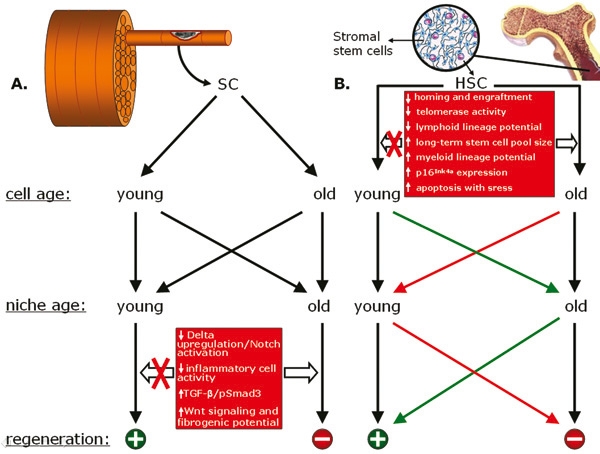
Aging muscles repair is a significant breakthrough that could change how we approach muscle health. Recent findings reveal new methods for enhancing muscle regeneration as we age.
Understanding Muscle Aging
Aging is a natural process that affects various systems in the body, including muscles. As individuals grow older, the ability of muscles to repair themselves diminishes, leading to a decline in strength and functionality. Researchers have identified several factors that contribute to this decline, including hormonal changes, decreased physical activity, and alterations in muscle composition.
One significant aspect of understanding muscle aging is the role of satellite cells. These cells are crucial for muscle repair and regeneration, as they help to replenish damaged muscle fibers. However, with age, the number and efficacy of satellite cells decrease, hindering the body’s ability to respond to injury or stress.
Moreover, chronic inflammation and oxidative stress contribute to muscle degeneration. This understanding has prompted scientists to explore innovative strategies to enhance the muscle repair process, focusing on ways to activate satellite cells and combat inflammation.
Ultimately, advancements in the field of aging muscles repair could lead to improved health outcomes for the elderly, promoting greater mobility and quality of life.
The Science Behind Muscle Repair
The process of muscle repair is crucial for overall health, especially as we age. Research indicates that aging muscles repair themselves less efficiently, leading to decreased strength and mobility. The underlying science involves the role of satellite cells, which are essential for muscle regeneration. In younger individuals, these cells respond swiftly to injury, promoting quick recovery and growth. However, in older adults, the response of satellite cells diminishes, resulting in slower repair processes.
Recent studies have uncovered promising strategies to enhance the repair of aging muscles. Scientists have identified specific molecular pathways that can be targeted to rejuvenate satellite cell function. This discovery could potentially lead to therapies aimed at stimulating muscle repair, thereby improving physical performance in older adults.
Key findings from ongoing research include:
- Activation of satellite cells in aged muscles can be improved with certain nutrients.
- Exercise remains a critical factor in maintaining muscle health and enhancing repair mechanisms.
- Innovative treatments that mimic youthful signaling pathways show potential in reversing age-related muscle decline.
These advancements may pave the way for better strategies to promote aging muscles repair and improve quality of life for the elderly.
Key Factors in Muscle Regeneration
Aging muscles repair is influenced by various key factors that are essential for effective regeneration. Understanding these elements can lead to better health outcomes for older adults.
- Nutrition: A balanced diet rich in protein, vitamins, and minerals is crucial. Nutrients like omega-3 fatty acids and antioxidants have been shown to support muscle health and repair processes.
- Exercise: Regular physical activity, particularly strength training, stimulates muscle regeneration. It enhances the body’s ability to repair and rebuild muscle fibers, counteracting the effects of aging.
- Hormonal Balance: Hormones such as testosterone and growth hormone play a significant role in muscle maintenance. Changes in these hormone levels with age can affect muscle repair capabilities.
- Rest and Recovery: Adequate sleep and recovery time are vital for muscle repair. During rest, the body undergoes repair processes that restore muscles after exercise.
By focusing on these key factors, individuals can support their aging muscles repair, promoting overall health and well-being.
How This Discovery Works
Recent research has unveiled a groundbreaking approach to enhancing the natural process of aging muscles repair. This discovery focuses on the role of specific proteins that regulate muscle regeneration. When muscles experience stress or injury, these proteins initiate a series of cellular responses that promote healing and growth.
Scientists have identified that, as we age, the efficiency of these proteins diminishes, leading to slower recovery times and weaker muscle strength. However, by stimulating these proteins through targeted therapies, researchers have observed a significant improvement in muscle repair capabilities.
The process involves:
- Activation of Stem Cells: These proteins help mobilize dormant muscle stem cells, which are essential for tissue repair.
- Enhanced Protein Synthesis: They boost the mechanisms that produce muscle proteins, crucial for rebuilding muscle fibers.
- Reduction of Inflammation: The discovery also aids in minimizing inflammation, which can hinder muscle recovery.
Through these innovative methods, the potential for effective aging muscles repair may not only improve physical health but also enhance overall quality of life for older adults.
Implications for Aging Populations
The implications of recent discoveries regarding aging muscles repair are significant for aging populations. As people age, muscle mass and strength typically decline, leading to increased frailty and a higher risk of injury. This new research offers hope in enhancing the regeneration processes that naturally slow down with age.
By focusing on the mechanisms that facilitate muscle repair, scientists are paving the way for potential therapies that could improve muscle function in older adults. These advancements may lead to:
- Improved Quality of Life: Enhanced muscle repair could allow seniors to maintain an active lifestyle, reducing reliance on caregivers.
- Reduced Healthcare Costs: With fewer injuries and related complications, the economic burden on healthcare systems may significantly decrease.
- Increased Independence: Better muscle regeneration can empower elderly individuals to perform daily tasks without assistance.
As research progresses, the prospect of targeted treatments that support aging muscles repair could revolutionize how society addresses the challenges of aging, ultimately fostering healthier, more resilient communities.
Future Research Directions
As researchers continue to explore the complexities of aging muscles repair, several future research directions are emerging that could further enhance our understanding and application of this discovery.
- Longitudinal Studies: Conducting long-term studies on diverse populations will help identify how age, genetics, and lifestyle factors influence muscle repair capabilities.
- Targeted Therapies: Investigating specific compounds or therapies that could enhance the muscle repair process is crucial. This includes assessing the effectiveness of dietary supplements and pharmaceuticals.
- Mechanistic Insights: Delving deeper into the molecular mechanisms behind muscle regeneration will provide insights into potential interventions that can promote better repair in aging muscles.
- Exercise Interventions: Examining different exercise regimens and their effects on muscle repair will yield valuable information for developing tailored fitness programs for older adults.
- Collaboration with Biotech: Partnering with biotechnology firms could accelerate the translation of research findings into practical applications for enhancing muscle health.
These avenues of research hold promise for developing strategies that can significantly improve the quality of life for aging populations.
Practical Tips for Muscle Health
Maintaining muscle health is essential for overall well-being, especially as we age. Here are some practical tips to support aging muscles repair:
- Regular Exercise: Engaging in resistance and strength training can stimulate muscle growth and repair, helping counteract the effects of aging.
- Balanced Nutrition: A diet rich in protein, healthy fats, and carbohydrates provides the essential nutrients needed for muscle repair. Consider incorporating foods like lean meats, fish, legumes, and nuts.
- Stay Hydrated: Proper hydration is crucial for muscle function and recovery. Aim to drink enough water throughout the day to keep your muscles hydrated.
- Get Enough Sleep: Quality sleep is vital for muscle recovery and repair. Aim for 7-9 hours of restful sleep each night to promote optimal muscle health.
- Manage Stress: Chronic stress can hinder muscle repair. Incorporate relaxation techniques such as meditation, yoga, or deep breathing exercises into your routine.
By following these guidelines, you can enhance your muscle health and support the aging muscles repair process, ultimately leading to a healthier, more active lifestyle.
By Silva, H. and Conboy, I.M., Aging and stem cell renewal (July 15, 2008), StemBook, ed. The Stem Cell Research Community, StemBook, doi/10.3824/stembook.1.11.1, http://www.stembook.org. via Openverse

2 Comments