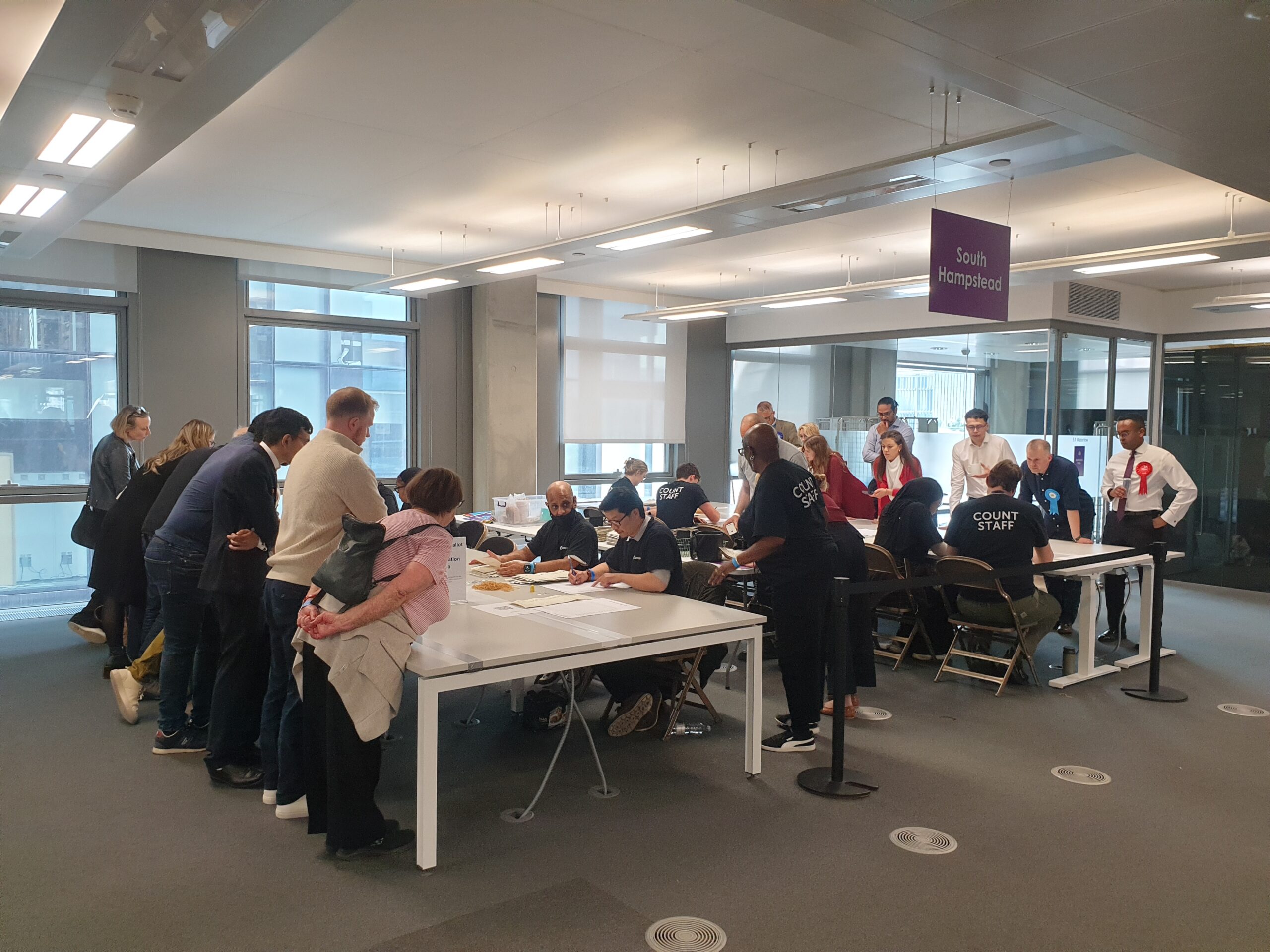
votes being counted is a crucial aspect of the midterm election process. Understanding where and how these votes are counted can provide insights into the election outcomes.
Understanding the Vote Counting Process
As the nation awaits the results of the midterm elections, understanding how votes are being counted is crucial for transparency and trust in the electoral process. The counting of votes is not a simple task; it involves several steps to ensure accuracy and security.
First, ballots are collected from various polling places and secured. Election officials meticulously check these ballots for any discrepancies, ensuring that each one complies with voting regulations. Once verified, the ballots are transported to counting centers, where the actual counting takes place.
The counting process typically involves both manual and electronic methods. Many jurisdictions use optical scan systems, where voters mark their choices on paper ballots that are then scanned and tabulated by machines. This method allows for quick counts while maintaining a physical record of each vote.
In addition to machine counting, many states also implement post-election audits. These audits serve as a check on the accuracy of the results, allowing officials to manually count a sample of the votes to verify the machine counts.
Throughout this process, transparency is key. Observers from various political parties and independent organizations are allowed to monitor the counting to ensure fairness. As votes are being counted, maintaining public confidence in the integrity of the electoral system is paramount.
Key Locations for Vote Counting
As the nation eagerly anticipates the outcomes of the midterm races, the key locations for votes being counted play a pivotal role in ensuring a transparent and efficient process. Each state has designated areas where ballots are tallied, and these locations can vary significantly based on local regulations and infrastructure.
Typically, the following sites are critical in the vote counting process:
- County Election Offices: These offices serve as the primary hub for counting votes. They are equipped with the necessary technology and personnel to handle large volumes of ballots.
- Voting Centers: In many jurisdictions, voting centers also double as counting sites. This allows for a streamlined process where ballots can be counted soon after they are cast.
- State Facilities: Some states utilize centralized facilities for counting, especially for mail-in ballots. These locations are often equipped with advanced counting machines to expedite the process.
- Military and Absentee Ballot Processing Centers: Special facilities are designated for counting military and absentee ballots, ensuring that every vote is accounted for, regardless of where it was cast.
Understanding where votes are being counted is essential for voters who wish to stay informed about the election process and track the progress of their ballots.
Impact of Vote Counting on Election Results
The impact of votes being counted on election results cannot be overstated, as it plays a critical role in determining the outcome of midterm races. Each ballot that is counted contributes to the larger picture of voter sentiment and electoral trends, reflecting the choices made by the electorate.
One significant aspect of the vote counting process is the timing of when ballots are tallied. Early counting of mail-in and absentee ballots can provide a preliminary glimpse into potential outcomes, often influencing campaign strategies and voter perceptions as the election night unfolds. Candidates and parties closely monitor the initial results, which can sway undecided voters or prompt shifts in voter turnout.
Moreover, the transparency and efficiency of the counting process are vital for public trust in the electoral system. When voters feel confident that their votes are being counted accurately and fairly, they are more likely to engage in future elections. Conversely, any perceived irregularities or delays in the counting can lead to skepticism and unrest among the electorate.
Additionally, the role of technology in vote counting has evolved, enabling faster and more accurate tabulation. However, this reliance on technology also raises questions regarding cybersecurity and the integrity of the voting process. As the nation looks ahead to future midterms, ensuring that every vote is counted accurately remains a cornerstone of democracy.
Timeline for Midterm Vote Counting
The timeline for midterm vote counting is critical in understanding how election results unfold. Once polls close, the clock starts ticking as election officials begin the intricate process of counting votes. This period can vary significantly depending on the state and the voting methods used.
Typically, states initiate counting absentee and mail-in ballots as soon as polls close. In many areas, these ballots can be processed ahead of time, allowing for quicker reporting of results. However, some states have laws that prohibit counting these votes until Election Day, which can delay the visibility of initial results.
The first batch of results often includes early votes and absentee ballots. These tend to lean towards one party or another based on demographic trends, which can create a narrative about the election’s direction. As more precincts report, the picture becomes clearer, but fluctuations in vote counts can occur, especially in tight races.
Election officials are tasked with ensuring transparency and accuracy during this process. They follow strict protocols to confirm that every vote is counted and verified. The final tally is usually completed within days, but official certification can take weeks, particularly in closely contested races. Understanding this timeline is essential for those following the midterm elections and the votes being counted, as it highlights the complexities involved in determining the outcome.
What to Expect on Election Night
As election night unfolds, voters across the nation eagerly await the results of their choices. With votes being counted, several key elements shape the evening’s events and outcomes. Understanding what to expect can help alleviate some of the anxiety that comes with waiting for results.
First, it’s essential to recognize that vote counting will typically begin as soon as polls close, but the speed and accuracy of reporting can vary significantly by location. Many states have adopted early voting and mail-in ballots, which means that a substantial number of votes may already be processed before election night.
On election night, results will trickle in, often starting with precincts that report quickly. Throughout the evening, major news outlets will provide updates, but these initial counts don’t always represent the final outcome. As more ballots are tabulated, particularly those cast by mail, the numbers may shift dramatically.
- Real-time updates: Major networks will provide real-time updates as results come in.
- Polling delays: Some states may experience delays due to various factors, including technical issues or legal challenges.
- Final tallies: Expect final results to take days or weeks, especially in tightly contested races.
Ultimately, while the anticipation builds, remember that the thorough process of counting votes is in place to ensure accuracy and fairness in the electoral system.
The meticulous process of votes being counted ensures that each ballot is accurately tallied. Observers from various parties are present to guarantee transparency during the crucial time of votes being counted.
By Bondegezou via Openverse
Read the original
Related stories
Keisha Lance Bottoms: Historic Win as First Black Woman Governor · Illinois governor race: The Best Live Results You Need · Drug-Free Diabetes Treatment: Proven Implant Reduces Blood Sugar

1 comment so far