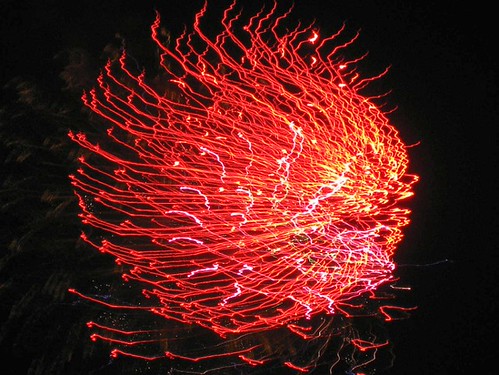
Fireballs in the sky could suddenly appear tonight, captivating stargazers and curious onlookers alike. This rare phenomenon promises to be a thrilling sight for those who look up.
What Causes Fireballs in the Sky?
Fireballs in the sky are mesmerizing phenomena that can leave onlookers in awe. These bright streaks of light occur when meteoroids enter the Earth’s atmosphere at high speeds. As they descend, the intense friction between the meteoroid and air causes it to heat up and emit light, creating the spectacular display known as a fireball.
Several factors contribute to the occurrence of fireballs:
- Meteoroid Size: Larger meteoroids are more likely to produce brighter fireballs. When they reach the atmosphere, they can explode in a brilliant flash.
- Entry Speed: The speed at which a meteoroid enters the atmosphere plays a crucial role. Faster entries typically result in more intense fireballs.
- Atmospheric Conditions: Clear skies enhance visibility, making fireballs easier to see. Conversely, clouds or heavy pollution can obscure the view.
As scientists continue to study the origins and behaviors of these celestial events, the fascination surrounding fireballs in the sky persists, drawing stargazers and curious minds alike.
When to Look for Fireballs Tonight
If you’re hoping to catch a glimpse of fireballs in the sky tonight, timing is crucial. Astronomers suggest that the best time to look for these dazzling phenomena is between dusk and dawn. During this period, the darkness of the night sky provides the perfect backdrop for the bright trails of light.
Here are some tips for maximizing your chances of witnessing fireballs:
- Find a Dark Location: Move away from city lights and find a spot with minimal light pollution.
- Check the Weather: Clear skies are essential for optimal viewing, so ensure that there are no clouds obstructing your view.
- Stay Patient: Fireballs can be unpredictable, so be prepared to wait for a while. Bring a blanket or a chair for comfort.
- Look Up: Keep your gaze on the open sky, especially in areas where meteors are more likely to appear.
With a little preparation and luck, you might just witness a spectacular display of fireballs in the sky tonight, making it a night to remember.
Safety Precautions for Watching Fireballs
Watching fireballs in the sky can be an exhilarating experience, but safety should always come first. Here are some essential precautions to consider before heading out to enjoy this nighttime spectacle.
- Choose a Safe Viewing Location: Find an open area away from tall buildings and trees. Avoid places with heavy traffic or potential hazards.
- Dress Appropriately: Depending on the season, ensure you wear suitable clothing to stay warm or cool. Bring blankets or chairs for comfort during your watch.
- Avoid Distractions: While it may be tempting to use your phone, keep it to a minimum. Your eyes should be focused on the sky to capture the beauty of the fireballs.
- Stay Aware of Your Surroundings: Keep an eye out for wildlife and other observers. Being alert helps ensure a safe and enjoyable experience.
- Bring a Friend: Watching fireballs in the sky is more fun with company. Plus, having someone else around can enhance safety.
By following these simple safety tips, you can fully enjoy the wonder of fireballs streaking across the night sky.
The Science Behind Fireballs
The phenomenon of fireballs in the sky is not just a visual marvel but also a subject of scientific intrigue. Fireballs, which are essentially bright meteors that burn up upon entering the Earth’s atmosphere, can create a stunning display for observers below.
These celestial objects are primarily composed of rock and metal, and when they enter the atmosphere at high speeds, they experience intense friction. This friction causes the object to heat up dramatically, often producing a brilliant light that can outshine the moon. The size and speed of the fireball contribute to its brightness and duration.
Moreover, the study of fireballs can provide valuable insights into the composition of our solar system. Scientists analyze the remnants of these meteors to understand more about the materials present in space. Occasionally, a large enough fireball may even reach the Earth’s surface, resulting in meteorites that can be collected and studied.
As enthusiasts prepare to witness these spectacular events, the excitement surrounding fireballs in the sky continues to grow, merging the realms of science and natural beauty into a captivating nighttime spectacle.
How to Capture Fireballs on Camera
Capturing fireballs in the sky on camera can be a thrilling endeavor, especially for astronomy enthusiasts and photographers alike. To ensure you get the best shots of these stunning phenomena, follow these tips:
- Choose the Right Equipment: A DSLR or mirrorless camera with manual settings is ideal for capturing fireballs. Use a lens with a wide aperture to allow more light in.
- Stabilize Your Camera: A sturdy tripod is essential for long exposure shots. It helps avoid blurriness, especially in low-light conditions.
- Use a Fast Shutter Speed: Fireballs can appear and disappear quickly. Set your shutter speed to capture the moment without motion blur.
- Adjust ISO Settings: Increasing the ISO can help in low-light situations, but be cautious as too high an ISO may introduce noise.
- Plan Your Location: Find a dark area away from city lights to enhance visibility. A clear view of the horizon is also beneficial.
- Be Patient: Fireballs in the sky can be unpredictable. Stay alert and ready to click at any moment.
With the right preparation and gear, you can immortalize the breathtaking sight of fireballs lighting up the night sky.
By kaw1216 via Openverse

1 comment so far