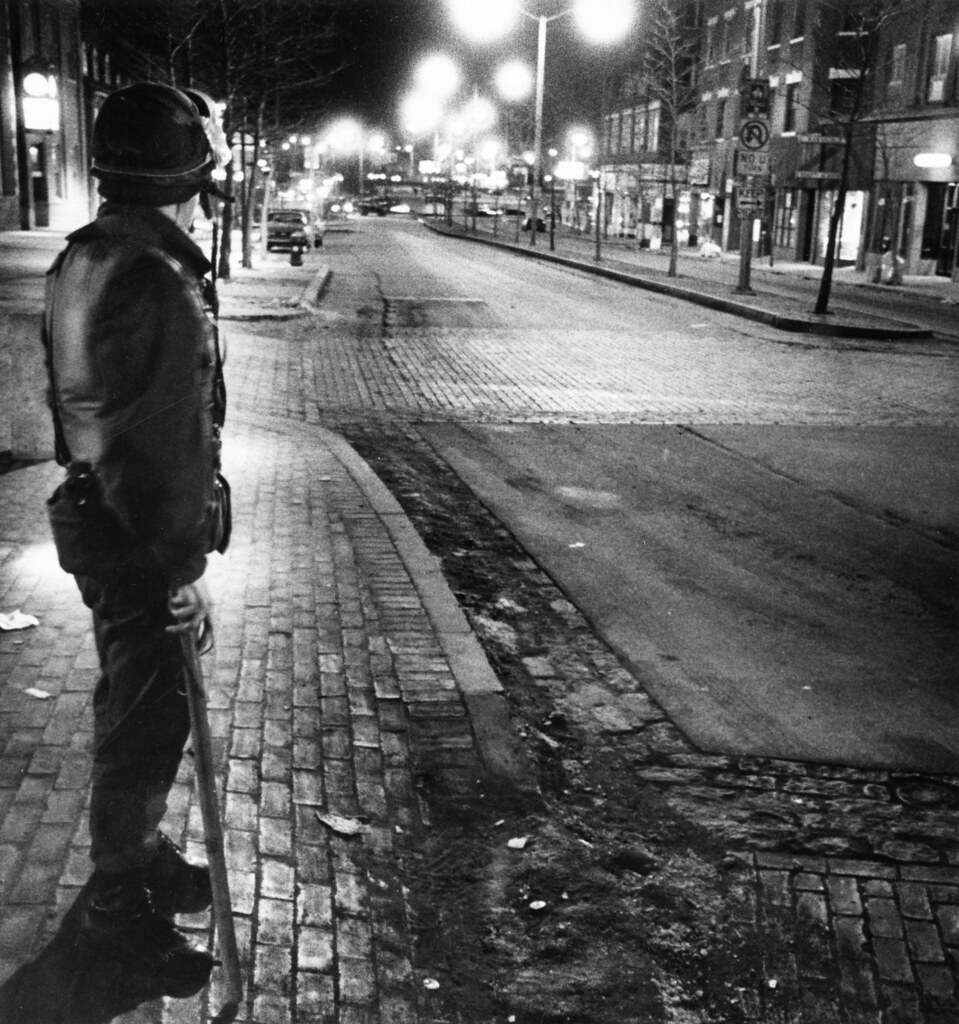
National Guard patrols are expanding in Washington, utilizing military vehicles and boats to enhance security. This move aims to address rising concerns over public safety and preparedness.
Overview of National Guard Patrols
The National Guard has increasingly taken on the role of providing security and support in various situations across the country. Recently, it was announced that the National Guard will expand patrols in Washington, utilizing military vehicles and boats to enhance its presence. This initiative aims to address security concerns and demonstrate readiness in times of need.
National Guard patrols serve multiple purposes, including:
- Emergency Response: They can quickly mobilize to assist in natural disasters or civil unrest.
- Community Support: National Guard members often engage with local communities to foster trust and cooperation.
- Security Operations: Their presence can deter potential threats and enhance overall safety.
While some argue that National Guard patrols are an effective defense strategy, others question their long-term implications for civil liberties and community relations. As they expand their operations, it becomes crucial to assess both the benefits and potential drawbacks of this approach. The ongoing discussion surrounding the role of the National Guard highlights the complex balance between security needs and civil rights in modern society.
Reasons for the Expansion
The decision to expand National Guard patrols has garnered significant attention, leading to various discussions about the underlying reasons for this initiative. Several key factors contribute to this expansion, highlighting its potential benefits and strategic importance.
- Increased Security Needs: Recent events have demonstrated a growing demand for enhanced security in urban areas, prompting authorities to take proactive measures.
- Community Support: Many communities express support for the National Guard’s presence, believing it fosters a sense of safety and stability during uncertain times.
- Resource Allocation: The use of military vehicles and boats provides the National Guard with essential resources to effectively monitor and respond to various situations.
- Collaboration with Local Agencies: Expanding patrols facilitates better collaboration between the National Guard and local law enforcement, ensuring a coordinated approach to public safety.
- Response to Emergencies: The National Guard’s ability to rapidly deploy in emergencies underscores their role as a crucial element of the defense strategy.
These factors indicate that the expansion of National Guard patrols may serve as a multifaceted strategy to address contemporary challenges in public safety management.
Impact on Local Communities
The expansion of National Guard patrols has a significant impact on local communities, raising both support and concerns among residents. Many locals appreciate the increased security presence, particularly in areas prone to unrest or crime.
Supporters of the National Guard’s deployment argue that:
- Increased Safety: The visibility of military personnel can deter potential criminal activities.
- Rapid Response: With National Guard patrols in place, communities may experience quicker responses to emergencies.
- Community Engagement: National Guard members often participate in local events, fostering relationships with residents.
However, there are concerns about the militarization of local law enforcement. Critics fear that the presence of military vehicles and personnel may:
- Intimidate Residents: The sight of armed soldiers could create a sense of unease among community members.
- Overstep Boundaries: There are worries about the potential for excessive force in civilian interactions.
Ultimately, the impact of National Guard patrols will depend on how they are implemented and perceived within each unique community.
Public Response to Military Presence
The recent decision to increase National Guard patrols in Washington has sparked a diverse range of public responses. Many residents express concerns about the presence of military personnel in their neighborhoods, while others believe it enhances safety and security.
- Supporters of the patrols argue that the National Guard’s visibility can act as a deterrent to crime, especially in areas experiencing higher rates of unrest.
- Some community members feel a sense of reassurance with the National Guard’s involvement, citing a greater sense of protection for families and businesses.
- Conversely, critics worry that military presence may lead to an over-militarization of local law enforcement, raising concerns about civil liberties and community relations.
- Additionally, there are fears that the National Guard patrols could escalate tensions rather than resolve them, particularly in neighborhoods already facing social challenges.
As discussions continue, it remains to be seen whether the National Guard patrols will ultimately be viewed as a necessary defense strategy or a source of contention among citizens.
Comparison with Other States
In examining the effectiveness of National Guard patrols, it is essential to compare their deployment and strategy with those in other states. Various regions have adopted unique approaches to address security concerns, often influenced by local issues and resources.
- California: The National Guard has focused on counterdrug operations, utilizing surveillance to support law enforcement in urban areas.
- Texas: Here, the National Guard patrols have been implemented primarily along the border, emphasizing immigration enforcement and support for local law enforcement agencies.
- Florida: The state employs National Guard units for disaster response, emphasizing their rapid deployment capabilities during hurricanes.
- Washington: As reported, the recent expansion of National Guard patrols includes military vehicles and boats, reflecting an attempt to bolster security on both land and water.
This comparison highlights a diverse array of strategies, with some states prioritizing law enforcement support while others focus on disaster readiness. The effectiveness of these varied approaches raises questions about whether National Guard patrols are indeed the best defense strategy in every context.
Future Plans for National Guard
The future plans for National Guard patrols in Washington signal a significant shift in the state’s approach to public safety and emergency response. As the National Guard prepares to expand its operations, officials are outlining strategic goals intended to enhance support during crises.
Key initiatives include:
- Increased Deployment: More personnel and resources will be allocated to ensure rapid response capabilities across various regions.
- Enhanced Training: National Guard members will undergo specialized training to better handle diverse situations, from natural disasters to civil unrest.
- Community Engagement: Plans to foster collaboration with local law enforcement and community organizations aim to build trust and improve coordination.
- Use of Advanced Technology: Integration of military vehicles and boats will allow for more effective patrols and surveillance in both urban and rural areas.
These developments raise questions about the role of the National Guard in day-to-day security and whether increased military presence is the best defense strategy. As the state prepares for these changes, ongoing dialogue with the public will be crucial to address concerns and expectations.
Safety Concerns and Opinions
The expansion of National Guard patrols has sparked a range of safety concerns and opinions among residents and experts alike. Many citizens welcome the increased presence of military personnel, believing it enhances community security and deters potential threats. Local business owner Jane Smith expressed her support, stating, “Having National Guard patrols in our area makes me feel safer, especially during times of unrest.”
However, not everyone shares this sentiment. Critics argue that the visibility of military forces can create a sense of fear and escalate tensions rather than alleviate them. Community activist Mark Johnson voiced his worries, saying, “We need to address the root causes of crime, not just patrols. It feels like an overreach.”
In addition, some residents are concerned about the potential for increased military involvement in civilian matters. As the National Guard expands its patrols, discussions around the balance between security and civil liberties are becoming more prominent.
Ultimately, the debate continues as the community grapples with the implications of this strategy, weighing the perceived benefits against the fears it may provoke.
Conclusion on National Guard’s Role
In conclusion, the role of National Guard patrols in ensuring public safety and security has sparked considerable debate. As the National Guard expands its operations, including the use of military vehicles and boats, many are left to ponder whether this approach is the most effective strategy for defense and community protection.
The diverse opinions surrounding the presence of military personnel in civilian areas highlight the complexities involved. While some residents appreciate the enhanced security and rapid response capabilities that National Guard patrols bring, others express concern over the potential militarization of local law enforcement and the implications it may have on civil liberties.
Moreover, comparisons with other states illustrate varying degrees of effectiveness and public acceptance regarding National Guard deployments. As the future unfolds, it will be crucial to monitor the outcomes of these patrols and assess their impact on both safety and community relations.
Ultimately, the question remains: Are National Guard patrols the best defense strategy? Only time will reveal the implications of this military involvement in everyday life, as communities weigh the benefits against potential drawbacks.
By Salem State Archives and Special Collections via Openverse
Read the original
Related reading
Nithya Raman Victory: The Real Change Los Angeles Needs · Voyager 1 communications glitch: Quick recovery news · Trump India envoy’s role: Worst case for Marco Rubio

1 comment so far