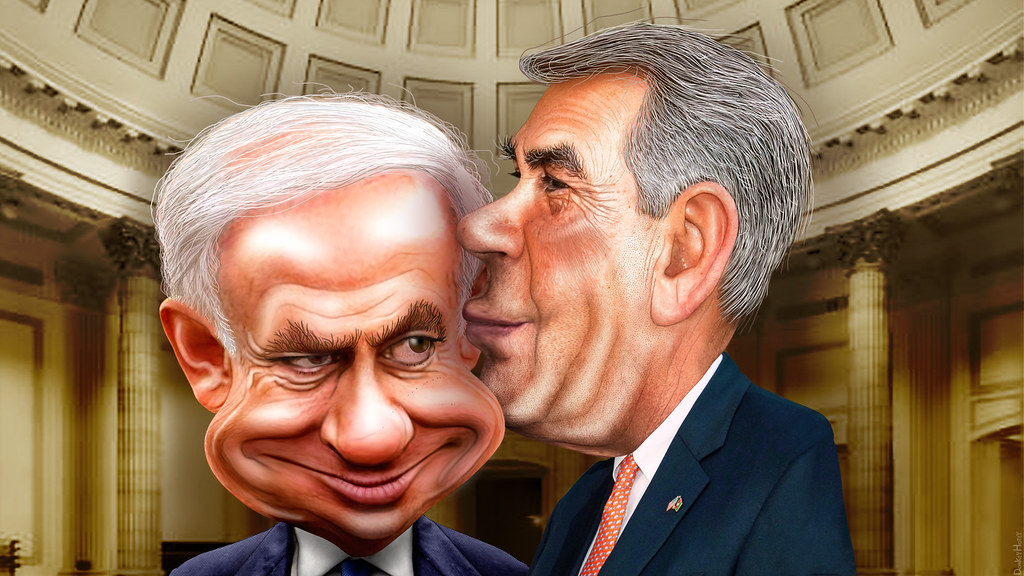
U.S.-Iran deal negotiations are heating up as Qatari officials engage in marathon talks in Tehran, aiming to foster a potential agreement before the upcoming midterm elections.
Background on U.S.-Iran Relations
The relationship between the U.S. and Iran has been fraught with tension for decades, marked by a series of conflicts and diplomatic stand-offs. Central to this complex relationship are several key events that have shaped their interactions.
- 1979 Iranian Revolution: The overthrow of the Shah led to the establishment of the Islamic Republic, resulting in the severance of diplomatic ties with the U.S.
- Hostage Crisis: Iranian militants held 52 American diplomats and citizens hostage for 444 days, deepening animosity between the two nations.
- Nuclear Program Development: Iran’s pursuit of nuclear technology has been a significant point of contention, prompting international sanctions and negotiations.
- 2015 Nuclear Deal: The Joint Comprehensive Plan of Action (JCPOA) initially eased tensions, but the U.S. withdrawal in 2018 reignited disputes.
- Ongoing Sanctions: Economic sanctions imposed by the U.S. have significantly impacted Iran’s economy, complicating diplomatic efforts.
Amidst these challenges, the recent focus on a U.S.-Iran deal, facilitated by Qatar’s diplomatic efforts, highlights the potential for a renewed dialogue and a clearer path toward stability in the region.
Qatar’s Role in Diplomacy
Qatar has emerged as a crucial mediator in the complex dynamics of U.S.-Iran relations, leveraging its diplomatic ties to facilitate discussions aimed at securing a U.S.-Iran deal. The nation has positioned itself as a neutral ground, allowing both sides to engage in dialogue without the pressures that might arise in a more contentious environment.
In recent weeks, Qatari officials have conducted marathon talks in Tehran, emphasizing their commitment to fostering peace and stability in the region. This proactive approach has been instrumental in creating an atmosphere conducive to negotiation, as evidenced by the following:
- Strategic Location: Qatar’s geographical proximity to Iran offers a unique advantage in facilitating face-to-face discussions.
- Established Relationships: Qatar maintains strong diplomatic relations with both the U.S. and Iran, allowing it to act as a trusted intermediary.
- Focus on Regional Stability: Qatar’s efforts align with broader international objectives to prevent escalation and promote lasting peace.
As the midterm elections approach in the United States, the urgency for a diplomatic resolution intensifies, and Qatar’s role in advancing a U.S.-Iran deal becomes increasingly significant.
Implications of the Midterm Elections
The recent U.S.-Iran deal has significant implications for the political landscape in the United States, especially in light of the upcoming midterm elections. As the Biden administration seeks to bolster its foreign policy achievements, a successful agreement with Iran could become a pivotal talking point for Democratic candidates.
Several factors contribute to the urgency of concluding the U.S.-Iran deal before the elections:
- Public Opinion: With rising concerns about national security, voters may respond positively to diplomatic successes that promise stability in the Middle East.
- Campaign Strategies: Democratic candidates could leverage the deal to highlight their commitment to international diplomacy, potentially swaying undecided voters.
- Republican Counterarguments: On the other hand, Republicans are poised to use any perceived weaknesses in the deal as a rallying point against the administration, framing it as a failure to hold Iran accountable.
The outcome of these negotiations will not only influence U.S.-Iran relations but may also significantly affect the political dynamics during the midterms, making Qatar’s role in fostering dialogue even more crucial.
Analysis of Negotiation Strategies
The negotiation strategies employed during the U.S.-Iran deal discussions highlight the complexities of international diplomacy. Qatar, leveraging its unique position as a mediator, has demonstrated a multifaceted approach that combines diplomatic engagement with strategic communication.
Key aspects of Qatar’s negotiation strategies include:
- Building Trust: Qatar has engaged in continuous dialogue with both U.S. and Iranian officials, fostering an environment of trust that is essential for successful negotiations.
- Neutral Stance: By maintaining a neutral position, Qatar has been able to facilitate conversations without the biases that often complicate international relations.
- Leveraging Relationships: Qatar’s established relationships with both Tehran and Washington have allowed it to serve as a reliable intermediary, enhancing its role in the U.S.-Iran deal discussions.
- Flexible Diplomacy: The Qatari diplomats have shown adaptability in their strategies, responding effectively to the evolving political landscape and the urgent need for a resolution before the midterm elections.
As the negotiations continue, Qatar’s proven diplomacy may pave the way for a more stable and cooperative U.S.-Iran relationship, underscoring the importance of effective communication and negotiation in achieving diplomatic breakthroughs.
Potential Outcomes of the Talks
The potential outcomes of the ongoing U.S.-Iran deal negotiations are significant and multifaceted. Both sides are looking for ways to address long-standing tensions and find common ground on key issues.
Some possible outcomes of the talks include:
- Diplomatic Engagement: A successful agreement could lead to a renewed diplomatic relationship between the U.S. and Iran, opening channels for further negotiations on other contentious topics.
- Economic Incentives: Lifting sanctions in exchange for Iran’s commitment to curb its nuclear program may provide economic relief to the Iranian economy, fostering stability in the region.
- Regional Security: Improved relations might lead to enhanced security cooperation among Middle Eastern nations, potentially reducing tensions in hotspots such as Yemen and Syria.
- Qatar’s Role: As a mediator, Qatar could solidify its position as a key player in Middle Eastern diplomacy, influencing future negotiations and peace processes.
However, the road ahead is fraught with challenges, as both domestic and international pressures continue to shape the dialogue. The outcome of these talks will have lasting implications for U.S.-Iran relations and broader regional dynamics.
Reactions from Global Leaders
Reactions from global leaders regarding the U.S.-Iran deal have been varied, reflecting the complex nature of international diplomacy. Some leaders have expressed optimism about the prospects for a peaceful resolution, while others remain cautious.
- European Union: The EU has welcomed the ongoing negotiations, emphasizing the importance of collaboration in achieving a comprehensive agreement. They believe that a successful U.S.-Iran deal could stabilize the region.
- Russia: Russian officials have indicated that they support Iran’s right to engage in discussions with the U.S., viewing it as a step toward easing tensions in the Middle East.
- China: China has called for all parties to approach the negotiations with a spirit of compromise, highlighting that a U.S.-Iran deal could benefit not only the involved nations but also enhance global security.
- Gulf States: Some Gulf leaders have shown skepticism, expressing concerns that a deal could shift the balance of power in the region. However, others see it as an opportunity to foster stability.
As the talks progress, the international community remains watchful, hoping for a resolution that will ultimately lead to lasting peace.
By DonkeyHotey via Openverse
Leave a Reply