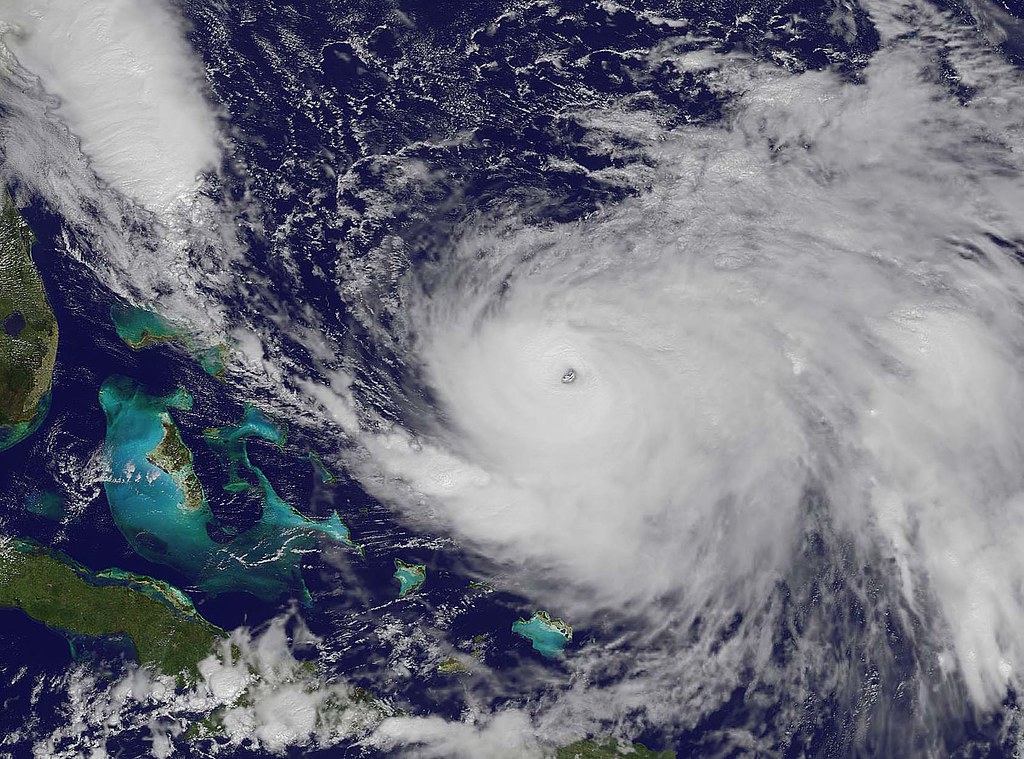
East Coast Nor’easter is set to lash the region with strong winds and heavy rain, causing potential flooding and disruptions for residents.
What to Expect from the East Coast Nor’easter
The upcoming East Coast Nor’easter is expected to bring a series of severe weather conditions that could significantly impact the region. As the storm approaches, residents should prepare for:
- Strong Winds: Gusts may reach over 60 mph, leading to downed trees and power outages.
- Heavy Rain: Anticipated rainfall totals could exceed 3 inches, resulting in localized flooding.
- Coastal Erosion: High tides combined with storm surge could threaten coastal communities.
- Travel Disruptions: Expect delays and cancellations in both air and road travel due to hazardous conditions.
Emergency services are on alert, and residents are urged to stay informed through local news and weather updates as the East Coast Nor’easter develops.
Safety Tips for the Upcoming Storm
As the East Coast Nor’easter approaches, it is crucial to prepare adequately to ensure safety. The following tips can help you navigate the storm effectively:
- Stay Informed: Monitor local news and weather updates for real-time information on the storm’s progression.
- Secure Outdoor Items: Bring in or secure any furniture, decorations, or other items that could be blown away by strong winds.
- Stock Up on Supplies: Ensure you have enough food, water, and medications to last through the storm, as travel may be hazardous.
- Prepare for Power Outages: Charge your devices and have flashlights, batteries, and a portable charger ready.
- Follow Evacuation Orders: If local authorities issue an evacuation, take it seriously and leave promptly.
Being proactive can help mitigate risks during the East Coast Nor’easter.
How to Prepare for Heavy Rain and Winds
As the East Coast Nor’easter approaches, it is crucial to prepare for heavy rain and winds that could significantly impact your area. Here are some essential steps to ensure your safety and minimize damage:
- Secure outdoor items: Bring in or tie down furniture, decorations, and anything that could become a projectile in strong winds.
- Check emergency supplies: Stock up on essentials, including water, non-perishable food, flashlights, batteries, and a first aid kit.
- Prepare for flooding: If you live in a flood-prone area, consider sandbagging and moving valuables to higher ground.
- Stay informed: Monitor weather updates and alerts to stay aware of the storm’s progress and any evacuation orders.
Being proactive can help you weather the East Coast Nor’easter with greater peace of mind.
Impact on Travel and Transportation
The East Coast Nor’easter is expected to significantly disrupt travel and transportation across the region. With forecasts predicting strong winds and heavy rain, many travelers may face delays or cancellations. Airlines have already begun alerting passengers about potential flight disruptions.
Road conditions are likely to worsen, leading to hazardous driving situations. Local authorities are urging residents to avoid unnecessary travel during the storm.
Public transportation systems are also preparing for the impact. Service delays may occur on trains and buses, and commuters are advised to check schedules frequently.
In light of these anticipated challenges, officials recommend:
- Planning travel ahead of time
- Staying updated on weather reports
- Following local news for transportation updates
Historical Context of Nor’easters
The East Coast Nor’easter has a long history of causing significant disruptions and damage across the region. These storms are characterized by their powerful winds, heavy precipitation, and coastal flooding. Over the decades, numerous nor’easters have left lasting impacts on communities, infrastructure, and the environment.
Some notable historical events include:
- In 1992, a devastating nor’easter struck, resulting in widespread flooding and power outages.
- The blizzard of 1978 brought record snowfall and paralyzed transportation for days.
- In March 2010, a nor’easter caused severe coastal erosion and impacted local economies.
Understanding the historical context of nor’easters helps communities prepare for future storms, including the current East Coast Nor’easter, which is expected to bring similar challenges.
Emergency Resources and Contacts
As the East Coast Nor’easter approaches, residents are urged to stay informed and prepared. Here are some essential emergency resources and contacts to have on hand:
- Local Emergency Management Office: Your local office can provide up-to-date information on the storm’s impact and necessary evacuation routes.
- Red Cross: For shelter locations and assistance, visit redcross.org or call 1-800-733-2767.
- National Weather Service: Stay updated with the latest forecasts and warnings at weather.gov.
- Utility Companies: Report outages and receive updates on restoration efforts through your provider’s website or hotline.
Make sure to have these resources readily available to navigate the challenges posed by the East Coast Nor’easter.
By NASA Goddard Photo and Video via Openverse

2 Comments